


crack the housing crisis and infrastructure wave double opportunity, China building materials overseas Australia Middle East Forum this Sunday, Shenzhen kicks off
supply chain advantages directly hit the pain points of Australia's construction upgrade, green empower the Middle East 100 billion infrastructure
When Australia is deep in the housing shortage, low construction efficiency and high cost of building materials, the Middle East is setting off a trillion-dollar infrastructure wave, how can Chinese building materials companies seize the global market opportunity with "supply chain resilience" and "technological innovation"? This Sunday (June 15), the "Building Materials Boundless · Trade Connect Future" forum hosted by Shimao Financial (Shenzhen) Technology Co., Ltd. was held at the Renaissance Shenzhen Bay Hotel, providing Chinese companies with a practical path to break the rigid demand market in Australia and dig gold in the Middle East infrastructure dividend. Nearly 100 industry experts and building materials business leaders participated.
1. New Potential Energy Going Overseas: Surging Demand, Breaking the Bureau at the Right Time
Rigid Demand in Australia Exploded
According to the Australian Housing Industry Association (HIA) data, the housing gap in Australia exceeds 300,000 sets, and the government urgently promotes the renovation of old buildings and new construction plans. However, the cost of local building materials has risen by 23% year-on-year, and the low construction efficiency has led to a project delay rate of 37%. China's cost-effective, modular building materials and fast delivery capabilities have become the key options to solve Australia's housing crisis.
The Middle East Infrastructure Rush
Saudi Arabia's "Vision 2030", Qatar's National Development Plan, and the UAE's "Future City" projects have spawned a strong demand for high-end building materials and green technologies. Infrastructure investment in the Middle East will exceed 1.50 trillion US dollars in the next ten years (MEED data from the Middle East Economic Think Tank China's photovoltaic building materials, green concrete, smart curtain wall and other products have become the first choice for EPC projects due to mature technology and stable production capacity.
China's building materials internal roll intensifies
In recent years, the domestic building materials industry has faced unprecedented development pressure. On the one hand, the deep adjustment of the real estate market has caused the demand for building materials to shrink significantly. Data show that the national real estate development investment in 2024 decreased by 8.4% year-on-year, which directly led to the decline in sales of building materials products such as building ceramics, glass, and cement. Taking building ceramics as an example, the national ceramic tile production in 2024 decreased by 12.3% year-on-year, and the industry capacity utilization rate fell below 70%. Many enterprises fell into the dilemma of inventory backlog. On the other hand, market competition has become increasingly fierce, and the homogenization has seriously led to frequent price In order to compete for limited market share, enterprises continue to compress profit margins, and the average profit margin of the industry will drop from 8.7% in 2020 to 5.2% in 2024. At the same time, the combination of multiple factors such as stricter environmental protection policies, fluctuations in raw material prices, and rising labor costs has further exacerbated the operating pressure of enterprises. In this context, the domestic building materials industry urgently needs to find a new growth engine.
companies have a strong willingness to go overseas
According to statistics, the global building materials market is more than 5 trillion US dollars, while the share of Chinese building materials companies in the international market is less than 10%, which has great potential. Especially under the impetus of the "Belt and Road Initiative", the demand for infrastructure building in countries along the route is strong, providing a broad market stage for Chinese building materials products. According to a survey by the China Building Materials Federation, 72% of large-scale building materials companies list Australia and the Middle East as key overseas markets in the next three years, but "insufficient localization adaptation capacity" (68%), "out-of-control supply chain costs" (55%) and "lack of financial risk control" (49%) constitute the main obstacles.
Second, the forum directly hits the pain point: providing rigid demand market solutions
This forum focuses on the core bottlenecks and game-breaking tools for Chinese companies to participate in the Middle East market: Mr. Sam Jamsheedi, chairperson of the global board of directors of
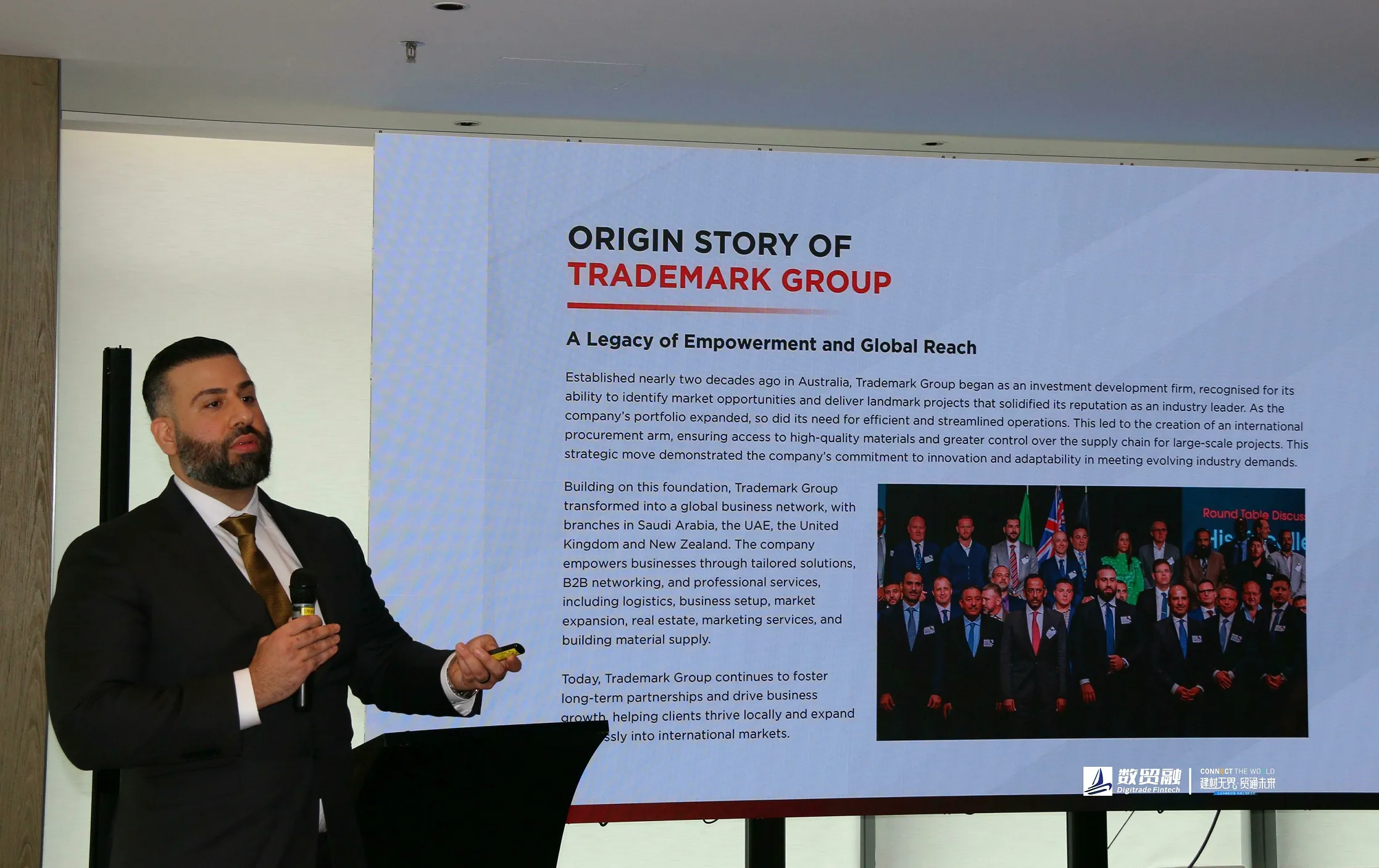
Trademark Group and chairperson of the Australia-Saudi Business Council and the forum, delivered a keynote speech entitled "China Building Materials Opportunities and Challenges under the Middle East Infrastructure Dividend". In his speech, Mr. Sam Jamsheedi analyzed the huge opportunities brought by the rapid development of infrastructure building in the Middle East for the Chinese building materials industry. He pointed out that with the acceleration of economic transformation and urbanization in Middle Eastern countries, the demand for high-quality building materials is growing. At the same time, he also highlighted the challenges faced by Chinese building materials enterprises in the Middle East market, including adapting to local regulations, cultural nuances and fierce competition with international competitors. Mr. Jamsheedi suggested that Chinese enterprises seize this historic opportunity by strengthening local cooperation, improving product quality and innovation capabilities, and achieve sustainable development. Mr. Wang Kaige, Chairperson of
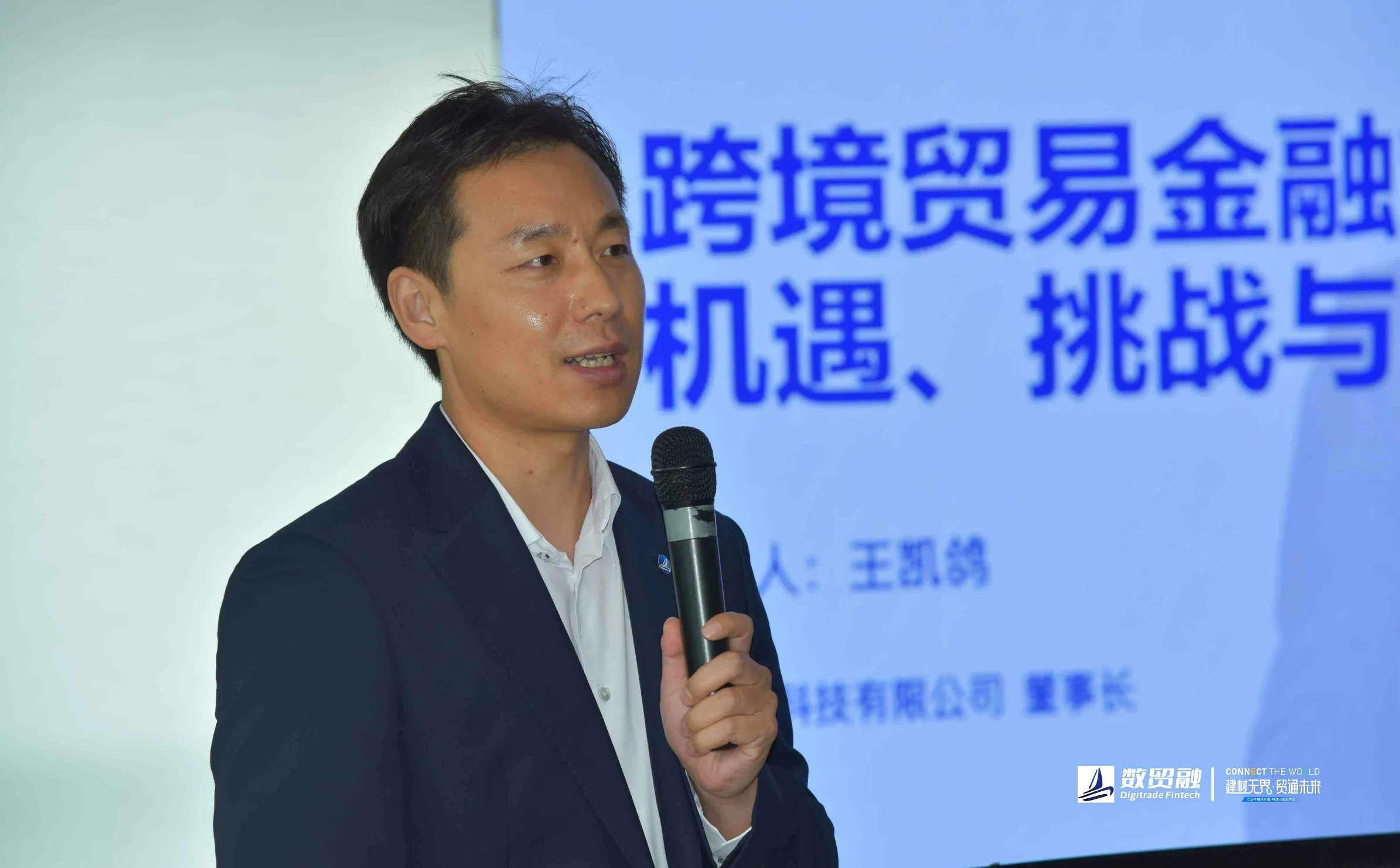
Trade Finance (Shenzhen) Technology Company, discussed the financial challenges and opportunities in the context of global supply chain restructuring in his speech "Cross-border trade financial strategy innovation: opportunities, challenges and profit paths", analyzed the cost, financing, payment settlement and other financial issues faced by Chinese suppliers, and put forward diversified profit improvement strategies. Mr. Wang Kaige put forward "The competition of cross-border procurement is essentially the competition of capital efficiency. Make good use of financial tools and let every penny become a lever to leverage profits." And specifically put forward strategies such as building a resilient financial system, market diversification, and high-end products to improve corporate profitability.
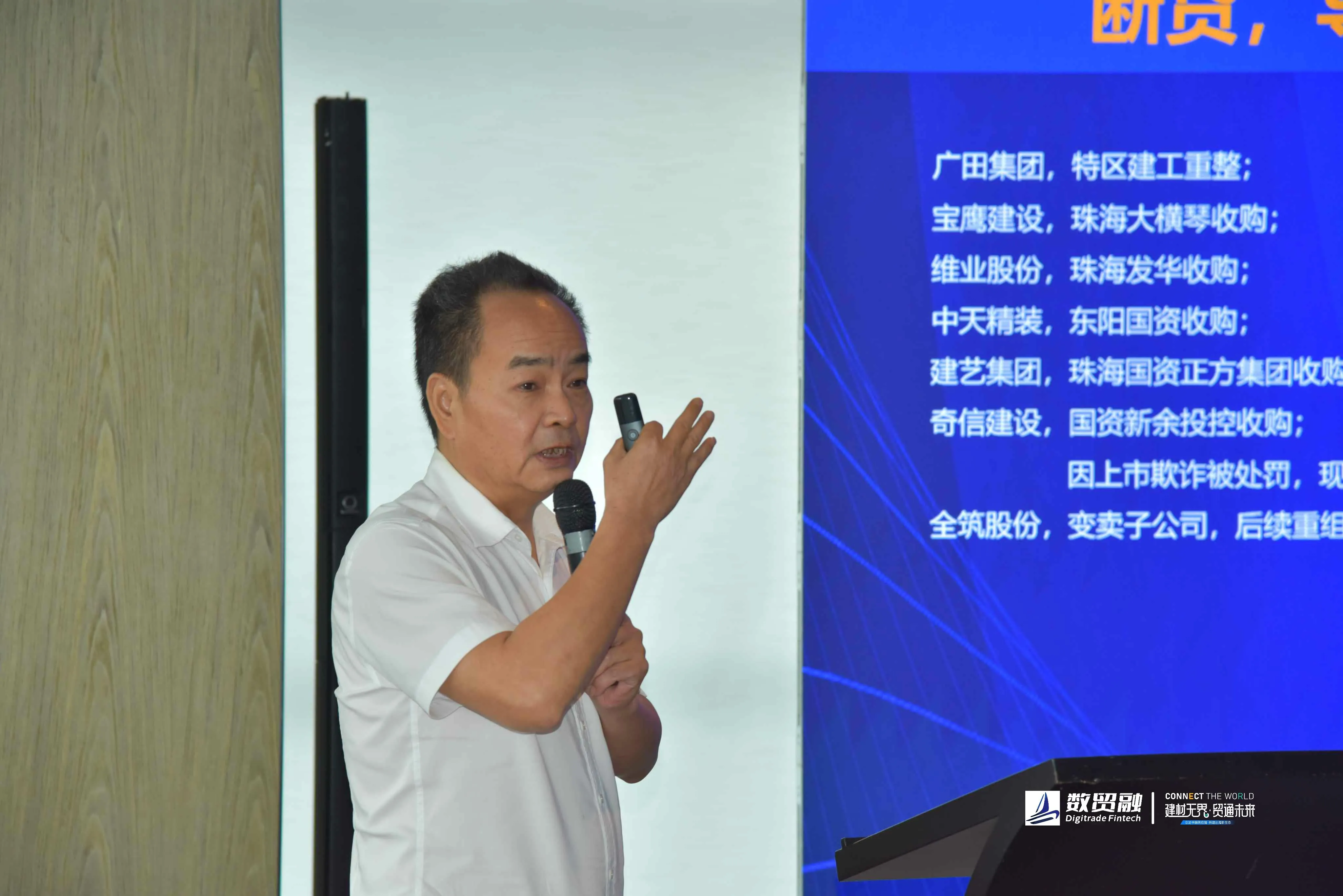
Mr. Kuang Shengming, executive vice president of Shenzhen Yuanhong Architectural Decoration Creative and Industrial Technology Research Institute, delivered the main speech of "Science and technology empower, ecological synergy, and a new path for smart building materials in the Greater Bay Area to go overseas". Dean Kuang deeply analyzed the impact of the current international political and domestic economic situation on the construction industry, discussed the development status and challenges of Shenzhen's decoration industry, and discussed the problems existing in the related industries of building decoration and building materials, focusing on how to realize the transformation and upgrading of the industry in the changing situation and explore new development paths. In addition, Dean Kuang will also focus on how technology can empower ecological synergy, promote the smart building materials in the Greater Bay Area to the international market, and provide new ideas and solutions for the development of the industry.
III. Blockbuster Action: Building Offshore Infrastructure
This forum led to the landing of two strategic platforms: First, "Digital Trade Finance - Global Sourcing Center", which is committed to building an efficient and transparent international building materials procurement platform, integrating China's supply chain resources, optimizing procurement processes, and reducing transaction costs. Through digital tools and fintech services, the center will promote cross-border trade facilitation and improve the responsiveness and flexibility of the supply chain. Second, "Digital Trade Finance - Offshore Service Center", which aims to help Chinese enterprises better integrate into the international market, and at the same time promote the deep connection between overseas buyers and Chinese suppliers. Through overseas inspections, enterprises can break down information barriers, broaden their international horizons, and accurately grasp the pulse of overseas markets. The two platforms are committed to becoming a bridge and link between China and foreign trade exchanges, and further promoting the prosperity of global trade.
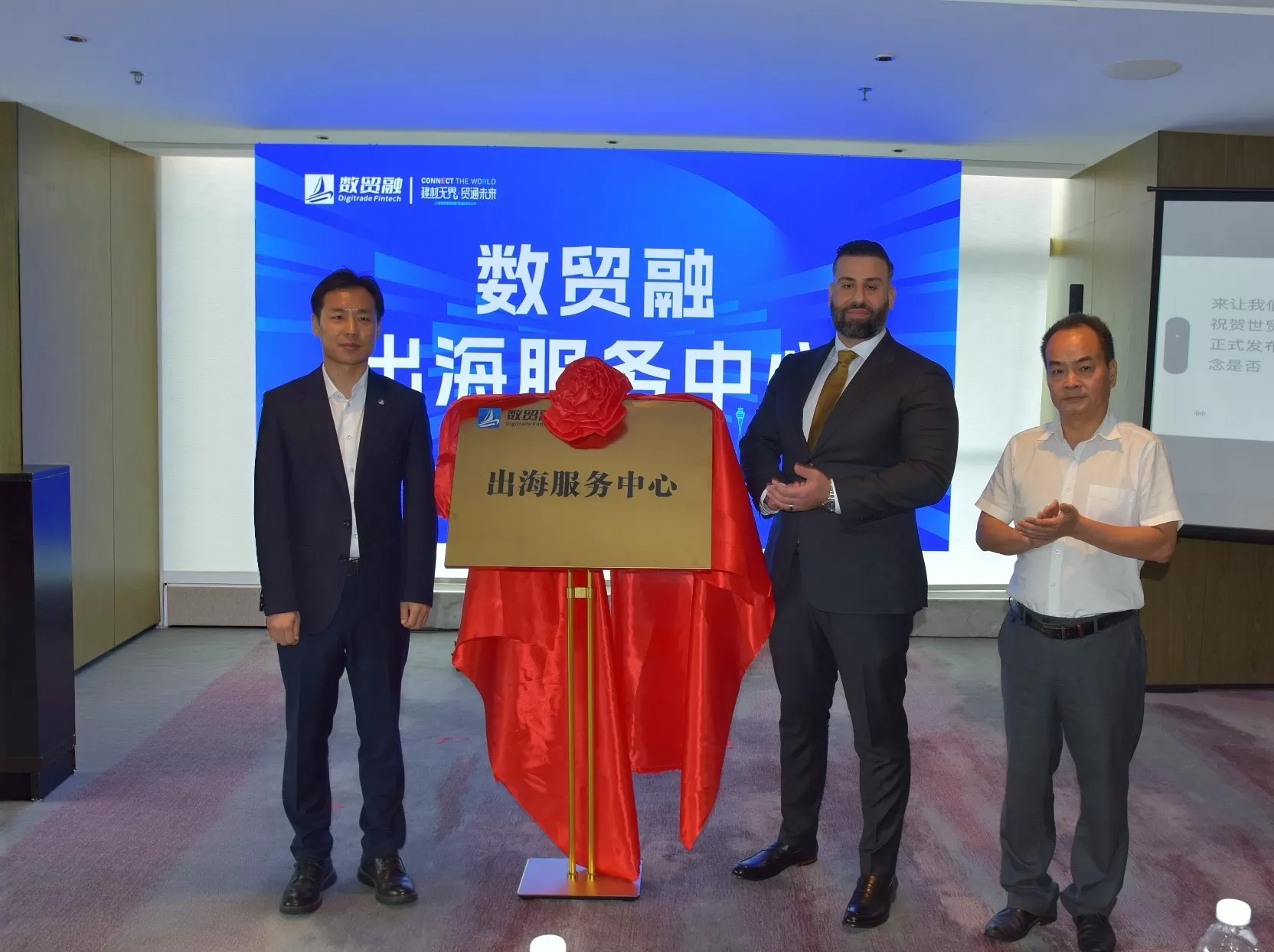
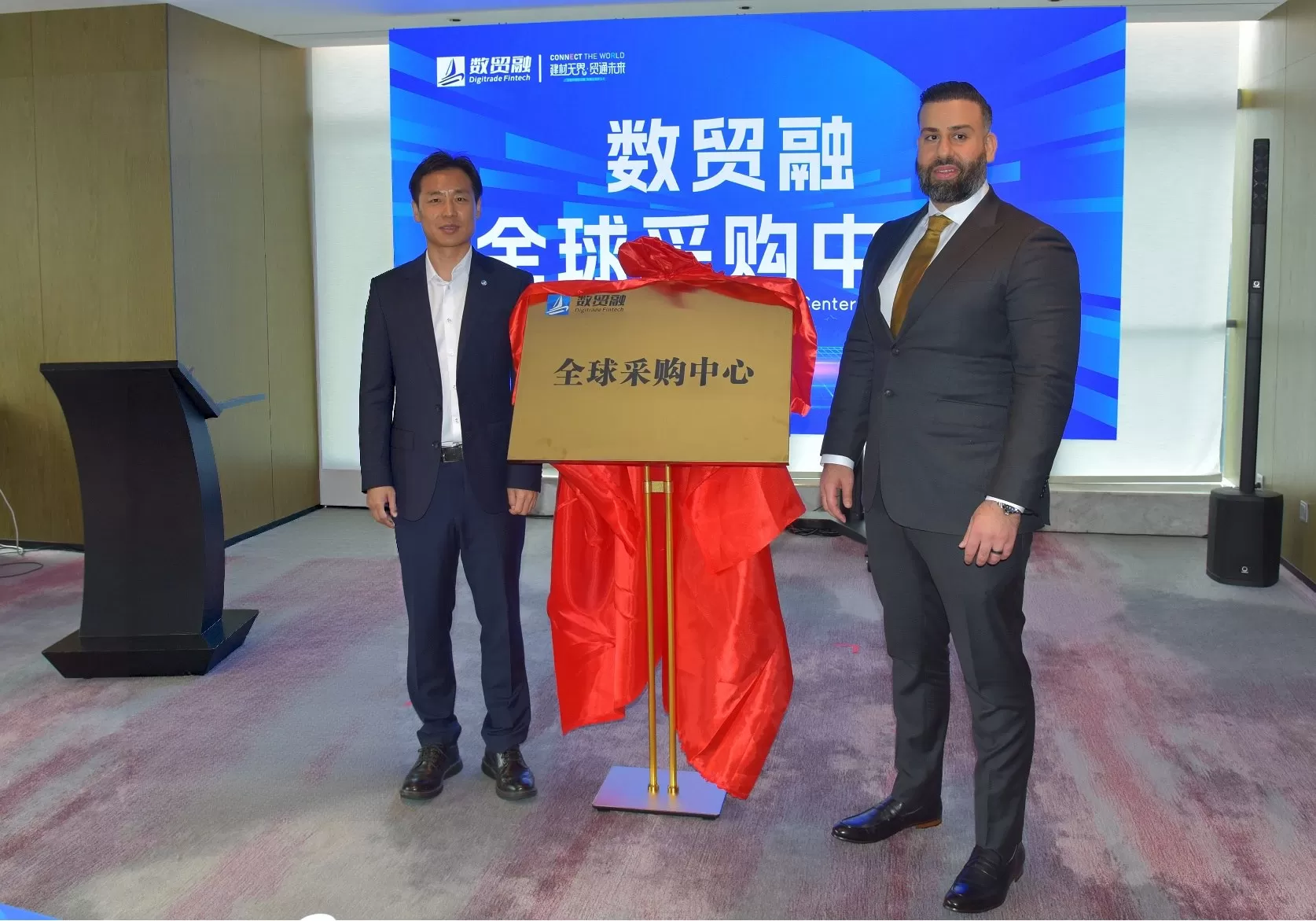
"The housing shortage in Australia and the infrastructure ambitions in the Middle East are essentially urgent needs for efficient supply chains," said the chairperson of SIMO Finance. "Chinese building materials companies should not only do product exports, but also become localization problem solvers - help Australia reduce housing costs and speed up projects in the Middle East through flexible supply chains, fintech and standard adaptation. This is the core mission of this forum."